Estimated Reading Time: 6 minutes
In the 17th century, a French philosopher named Rene Descartes proposed an idea that would shape Western thought for the next 400 years. He argued that the mind and the body were two fundamentally different substances. The body was physical, mechanical, and subject to the laws of nature. The mind was immaterial, thinking, and separate from the physical world.
This idea, known as Cartesian dualism, was elegant and intellectually satisfying. It was also, as we are now learning, profoundly wrong. And the damage it has done to our understanding of health is hard to overstate.
We have doctors for the body and therapists for the mind. We have gyms for physical fitness and meditation apps for mental wellness. We treat back pain as a structural problem and anxiety as a chemical one, as if the two exist in completely separate universes. This separation is so deeply embedded in how we think that most people do not even notice it. It is just how things are.
But your body does not know it is supposed to be separate from your mind.
When you are anxious, your shoulders tighten. When you are grieving, your chest aches. When you are excited, your whole body lights up. Your emotions are not abstract concepts floating around in your brain. They are physical events that happen throughout your entire body. The research on this is overwhelming and growing every year.
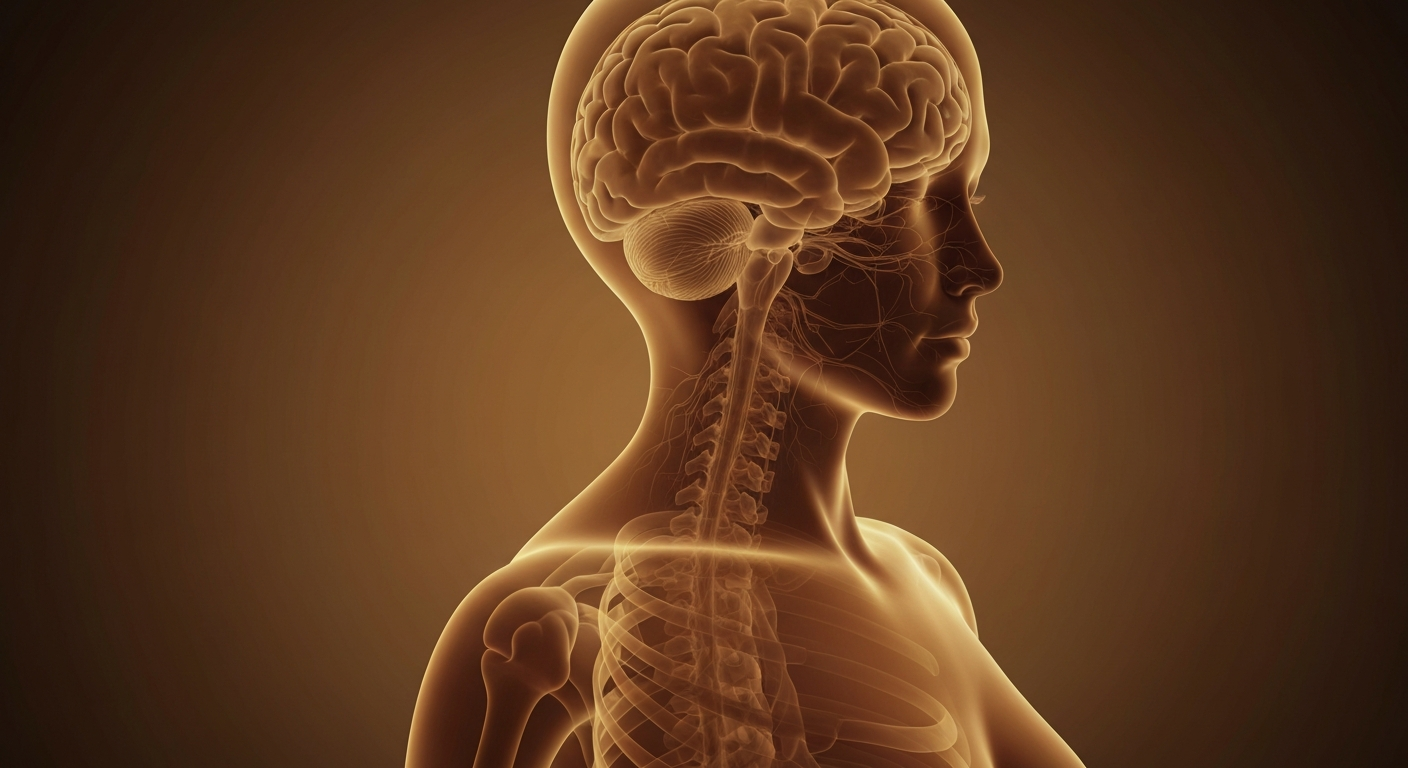
Consider the vagus nerve, the longest cranial nerve in your body. It runs from your brainstem through your neck, chest, and abdomen, connecting your brain to your heart, lungs, and gut. It is the primary communication highway between your body and your brain, and it operates in both directions. Your brain sends signals down to your organs, and your organs send signals back up to your brain. This is why deep breathing calms anxiety. It is not just a mental trick. You are literally stimulating the vagus nerve, which tells your brain that you are safe.
In my work as a coach, I see the consequences of mind body separation every day. Clients come to me with chronic pain that has no clear structural cause. They have been to orthopedists, chiropractors, and physical therapists. They have had MRIs and X rays that show nothing wrong. And yet the pain persists. In many of these cases, when we start exploring what is happening in their emotional lives, the picture becomes clearer. Unprocessed stress, unexpressed emotions, and chronic tension patterns can all manifest as physical pain. This is not imaginary. It is physiology.
The reverse is equally true. Physical practices can profoundly impact mental health. Exercise is as effective as medication for mild to moderate depression. Yoga has measurable effects on anxiety. Strength training improves self efficacy and emotional resilience. These are not just feel good anecdotes. They are backed by decades of research.
So what happens when we stop separating mind and body?
First, we start listening differently. Instead of treating a tight neck as just a tight neck, we get curious. What else is going on? Am I holding tension because of a physical issue, or because I am carrying stress I have not dealt with? Instead of treating sadness as just a mood, we notice where it lives in the body. Does my chest feel heavy? Is my breathing shallow? What does my body need right now?
Second, we start training differently. If the mind and body are one integrated system, then physical training is mental training and mental training is physical training. Every time you push through a hard set in the gym, you are not just building muscle. You are building mental resilience. Every time you practice meditation, you are not just calming your mind. You are changing your physical stress response.
Third, we start healing differently. Rather than treating symptoms in isolation, we start looking at the whole person. A client with chronic lower back pain might need to strengthen their core, but they might also need to address the anxiety that is causing them to brace their muscles all day long. A client with insomnia might need better sleep hygiene, but they might also need to process the grief they have been suppressing for years.
This integrated approach is not new. Traditional Chinese medicine, Ayurveda, and many indigenous healing systems have always treated the whole person. It is the modern Western world that decided to split things apart, and we are now slowly, painstakingly, putting them back together.
The practical takeaway is simple: stop treating your physical health and your mental health as separate projects. They are the same project. Move your body not just for how it will look, but for how it will make you think and feel. Tend to your mind not just with therapy and journaling, but with how you breathe, how you stand, and how you move through the world.
You are one thing. Act like it.